The 2026 Travel Super-App Race Will Be Decided at the Payment Step
By FurlPay Travels · July 5, 2026 · 9 min read
Online travel booking is projected to grow from roughly $719 billion in 2026 to over $1.3 trillion by 2033 — a 9% compound annual clip — and the way people book has already tipped: mobile drives more than 63% of global online bookings and 68% of travel searches. The strategic response from the big three platforms is identical in ambition and different in execution: stop being a booking site, become the operating system for the whole trip.
Three super-app strategies
- Trip.com is the transactional consolidator — flights across ~5,000 cities, 1.4M hotels, direct rail APIs (Eurostar, National Rail) with a "Split Tickets" engine that segments journeys to find cheaper fares, and a flight-hotel cancellation guarantee stitching verticals together.
- Airbnb's Summer 2026 release pivots from home-sharing to full-service travel: boutique hotels in 20 gateway cities, plus Instacart groceries, Welcome Pickups airport transfers, and Bounce luggage storage embedded directly in the post-booking flow.
- Booking.com layers GPT-4o-mini "Smart Filters" over the industry's deepest structured inventory — you describe the hotel in a sentence, the LLM applies the filter boxes for you.
The cracks are all money-shaped
Look at where travelers actually get angry with these platforms in 2026 and a pattern emerges. Booking.com's Best Rate Guarantee pays out in Booking Wallet credit — after claims survive single-screenshot rules and currency-conversion nitpicks — and cashing out takes a support call. Airbnb's boutique-hotel price match refunds exclusively in travel credit, capped at $400, expiring in twelve months. Genius loyalty discounts are routinely funded by inflated base rates, so logged-in members sometimes pay more than an incognito window. None of these are search problems or inventory problems. They are all payment problems: platforms treating refunds and rewards as retention leverage instead of money.
Agentic booking makes payments the whole ballgame
The next booking interface is conversational. Sabre, PayPal and MindTrip are assembling an end-to-end agentic pipeline — conversational planning over 420+ airlines and 2M hotels with payment inside the chat. Google has said plainly it has no intention of becoming an OTA; it wants to hand qualified intent to whoever can complete the transaction. And in the most telling move of the year, OpenAI pulled native travel checkout from ChatGPT after finding users happily plan in chat but balk at typing card numbers into it. Planning is solved. Trust at the moment money moves is not.
Walking the 2026 booking funnel, stage by stage
Trace a 2026 trip from first daydream to final refund and you can see exactly where trust holds and where it breaks. Inspiration is a solved stage: TikTok, Instagram and AI-curated feeds surface destinations more effectively than any brochure ever did, and travelers arrive at platforms already knowing roughly what they want. Planning is solved too — conversational AI over inventories like Sabre's 420+ airlines and 2M hotels turns a week of tab-juggling into a ten-minute chat, and tools like Booking.com's Smart Filters translate a sentence into structured search. Selection follows the same arc: with deep inventory, verified reviews and LLM-ranked results, picking the right hotel or flight is no longer where users struggle or platforms differentiate.
Then comes payment, and the funnel snaps. This is the trust gap: users who happily planned an entire itinerary in a chat interface refuse to type a card number into that same chat — the exact behavior that made OpenAI pull native travel checkout from ChatGPT. There is no cryptographic authorization standard the average traveler trusts an agent with, so the most automated funnel in history still ends with a human hesitating over a card form. Every stage upstream has been optimized; the moment money actually moves is the one moment platforms haven't earned.
The two stages after payment are where the earlier cracks compound. In-trip is only partially solved — this is the super-app battleground, where Airbnb bolts on groceries and airport transfers, Trip.com stitches rail and cancellation guarantees, and everyone races to own the traveler mid-journey; useful, but fragmented and still maturing. Refunds, the final stage, is where trust breaks outright: this is credit-trap territory, where price-match payouts arrive as expiring wallet credit, guarantees are capped and hedged with screenshot rules, and getting actual cash back requires a support call. A funnel that starts with frictionless AI inspiration ends with your own money held hostage as a retention token — and that asymmetry, not inventory or search, is the real weakness of the 2026 booking stack.
Our bet: settle like software
FurlPay Travels is built on the premise that the payment layer — not inventory breadth — is the durable differentiator. Agents pay over x402 with cryptographic authorization instead of a card number in a chat box. Refunds and price-match payouts settle as USDC cash to your wallet in under a minute — never as credit that expires. And this week we shipped two features straight from this thesis: Price Alerts with an honest success-rate model and auto-book from your USDC balance when your target lands, and a Price Match Guarantee that pays the difference in withdrawable USDC, not a coupon.
Super-apps compete on how much of the trip they capture. We compete on what every leg of the trip runs on: money that moves at machine speed and stays yours.
Furlpay
Written by the Furlpay team — engineers and compliance specialists building an on-chain financial operating system for stablecoin payments, travel, and investing on Arbitrum.
Don't miss the next one
Stay ahead of the curve
Get product updates, engineering deep-dives, and security bulletins. No spam — just the signal.
More in Travel
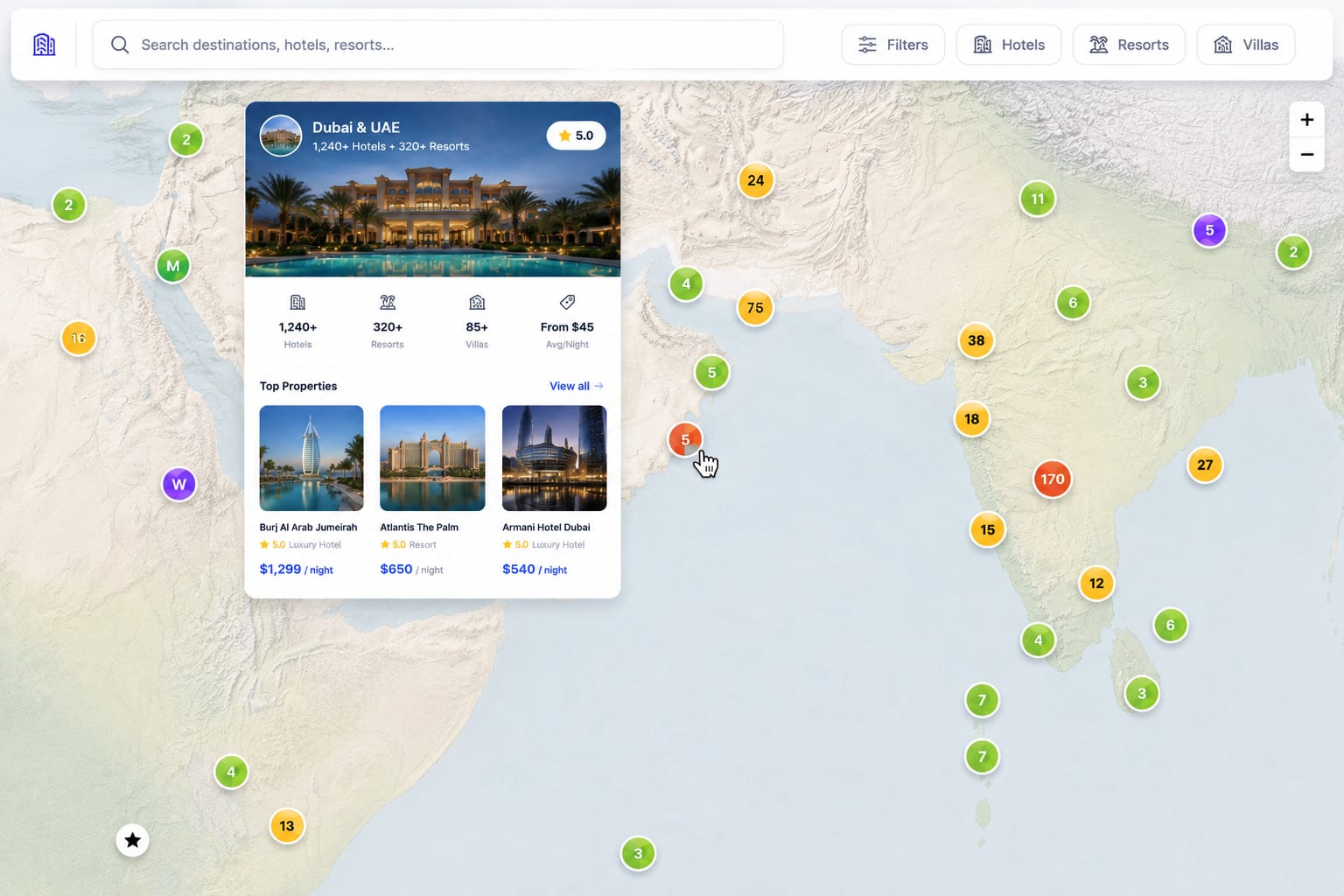
Explore the World, One Stay at a Time: Finding Hotels, Resorts and Villas on the Map
Most hotel searches start with a text box and end with a list of 400 results you scroll past. This one starts with the world. Open the FurlPay map and explore destinations visually — 507 curated luxury properties across 79 countries, every hotel OpenStreetMap knows layered underneath, ten collections from overwater villas to alpine chalets, and rates you can settle in USDC. Here is how to actually use it.
September 1, 2026 · 11 min read
Trip.com Now Takes Stablecoins — What It Signals for Travel Payments in 2026
Trip.com added USDT/USDC checkout in 2026, joining Travala, Wego and Meta's creator payouts in a broad shift to stablecoin money movement. Here is what changed, why it matters, and where Furlpay fits — USDC-native settlement, agentic booking, and a single-use Visa card for merchants that still take fiat only.
July 7, 2026 · 7 min read

Dubai Cashless 2026: How Hotels Can Accept Crypto Payments
Dubai is targeting a largely cashless economy, Emirates and Dubai Duty Free are enabling crypto, and Palazzo Versace already accepts it. Here is how any Dubai hotel can accept USDC at 0.5% — and the honest regulatory picture.
July 6, 2026 · 7 min read