The 2026 Card Fee Changes Hotels Should Watch — and the USDC Alternative
By Furlpay Team · July 6, 2026 · 6 min read

Card acceptance costs rarely go down, and April 2026 continued the trend with a set of specific network changes. There was no single dramatic "fees doubled" headline — the reality is more granular, and worth understanding accurately before anyone pitches you a scare story. Here is what actually changed, and how a flat-0.5% USDC rail compares.
What actually changed in April 2026
- Mastercard introduced a new Force Post Transaction Fee of about nine cents per transaction in the US, and pricing changes to the Digital Enablement Fee (a minimum around $0.025 on transactions up to $100).
- Mastercard added a new Fallback Avoidance fee.
- Visa began sunsetting its standalone Level 2 (CEDP) interchange incentive for commercial cards, effective mid-April 2026 — relevant to business-card acceptance.
- Discover revised a number of Hotel/Car Rental interchange rates in its April release.
None of these is a blanket rate hike, but together they nudge effective acceptance costs up and make card pricing harder to predict — especially for hotels, which sit in specific interchange programs and take a lot of commercial and international cards.
Why hotels feel it most
Hotels combine three expensive ingredients: large average tickets, a high share of international and commercial cards, and meaningful chargeback exposure from cancellations and no-shows. Small per-transaction and interchange changes therefore land harder here than in most retail.
| Cards (2026) | USDC on Furlpay | |
|---|---|---|
| Headline cost | ~2.9% – 3.5% + new per-tx fees | 0.5% flat |
| International cards | + cross-border + FX | No FX (dollar-stable) |
| Settlement | 2 – 4 days | ~1 second |
| Chargebacks | Yes + dispute fees | None (final) |
| Fee predictability | Changes each release | One flat rate |
The honest takeaway
You do not need to drop cards — most guests will still tap a card, and you should let them. The point is to add a cheaper, predictable rail for the guests who can use it. USDC on Arbitrum is a flat 0.5% that does not change every April, settles instantly, and cannot be charged back. On a property doing $2M a year, moving even part of that volume is real money. Model it with the ROI calculator, or read the hotels guide.
Card fees are not going to stop drifting up. The hedge is not to fight every interchange release — it is to offer a second rail whose price you actually control.
Figures are illustrative and based on publicly reported April 2026 network changes; your effective rates vary by processor, card mix and category. This is information, not financial advice.

Founder & CEO, FurlPay · Software Engineer at Skyhigh Security · NeurIPS 2026 author · Google DeepMind contributor · ex-Quantiphi
Ashutosh is a Software Engineer at Skyhigh Security (previously Quantiphi), working across ML systems and cloud infrastructure. He is a contributor to Google DeepMind and a NeurIPS 2026 author. He is building Furlpay: stablecoin payments, travel booking, and investing in one client — settled on Arbitrum. Pay in USDC, book 2.2M+ stays and flights, and let AI agents pay per-request via x402. Phishing-resistant. Compliance-aware. Zero gas.
Don't miss the next one
Stay ahead of the curve
Get product updates, engineering deep-dives, and security bulletins. No spam — just the signal.
More in Product News
FurlPay Wallet Names Are Live: Claim the Handle Your AI Agents Will Pay With
Reserve yourname.furlpay.com — one human-readable identity for you and every agent you run. Here is why payment handles suddenly matter in 2026, how the x402 standard turned HTTP into a payment rail, exactly how reservation and consent work under the hood, and the security decisions behind binding a name to an account.
August 10, 2026 · 12 min read
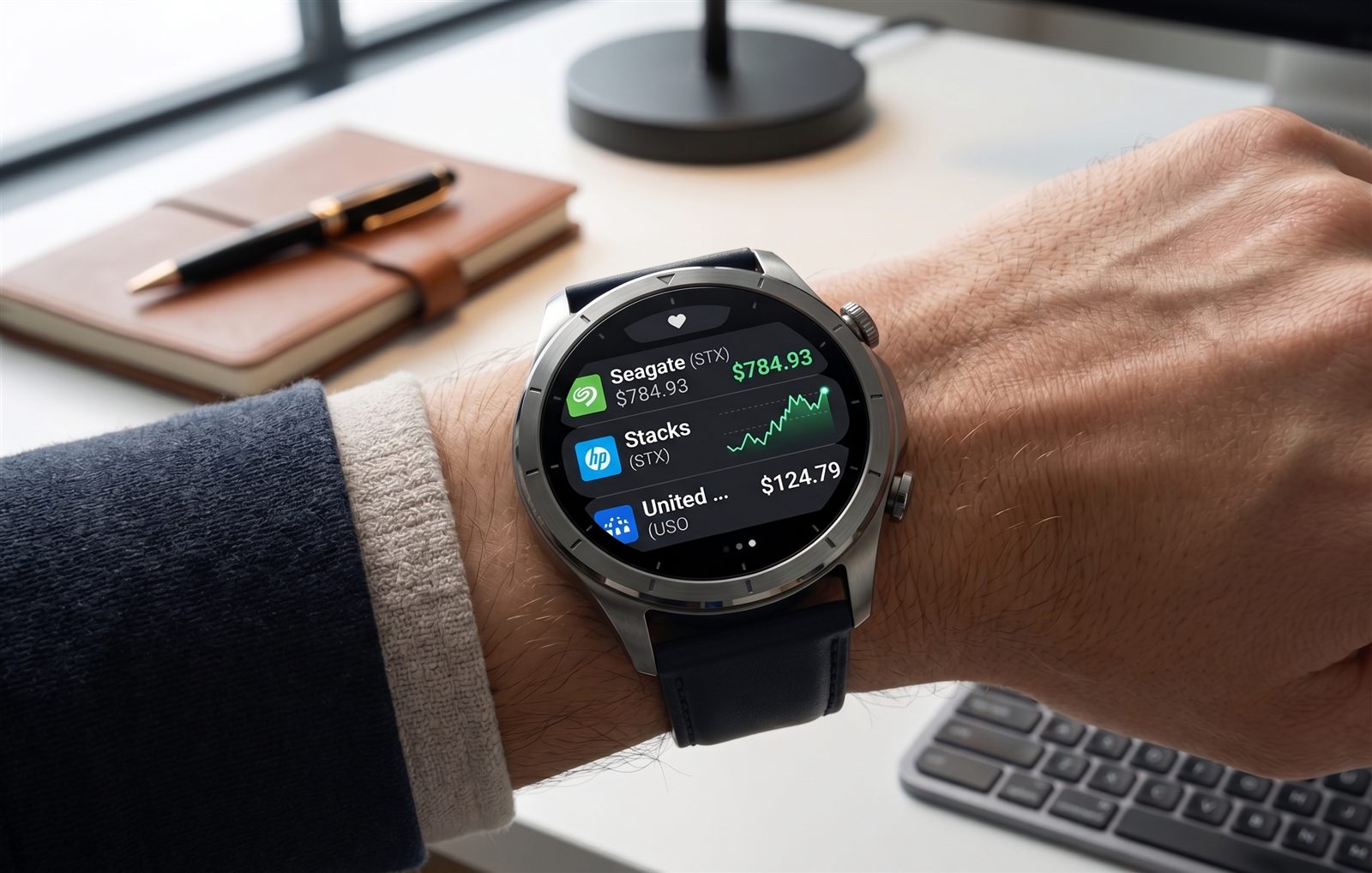
FurlPay on Your Wrist: Introducing the Wear OS App
Your portfolio, live market charts, one-tap Buy and Sell, card controls, USDC receive codes, flight booking and a voice assistant — on a watch. Here is a detailed walkthrough of every screen in the FurlPay Wear OS companion, how it stays secure without your phone, and why it is open source.
July 18, 2026 · 10 min read
The Stablecoin Rail Question: UPI vs Solana vs Polygon — and Where Furlpay Settles
Every serious payments platform now has to pick a settlement layer. We compared UPI, Solana and Polygon on the metrics that actually matter for moving a stablecoin dollar across borders — cost, finality, liquidity and AI-agent readiness. The honest answer is not one rail, it is stablecoins on the right rail for each job.
July 7, 2026 · 11 min read