Crypto Payments for Hotels: The Complete 2026 Guide
By Furlpay Team · July 6, 2026 · 8 min read

Hotels sit at the intersection of every reason stablecoin payments make sense: a high share of international guests, large average transaction sizes, painful foreign-exchange fees on foreign cards, and costly no-show chargebacks. In 2026 the early movers are already here — and any hotel can follow at a flat 0.5% with no chargebacks.
Who is already accepting crypto
- Palazzo Versace Dubai accepts Bitcoin, Ethereum and BNB for rooms, dining and spa via a Binance partnership.
- Emirates and Dubai Duty Free have signed with Crypto.com to accept crypto payments, including stablecoins.
- Trip.com integrated USDT and USDC payments for flights and hotels globally.
- Major chains including Marriott, Hilton and Accor are exploring blockchain payments for international guests.
Why hotels specifically benefit
| Pain point | On cards | On USDC (Furlpay) |
|---|---|---|
| Processing fee | 2.9% – 3.5% | 0.5% flat |
| International guest FX | 1% – 3% extra | None (dollar-stable) |
| Settlement | 2 – 4 days | ~1 second |
| No-show chargebacks | Common + dispute fees | None (on-chain final) |
On a property doing $2M a year in card volume, moving eligible bookings to 0.5% keeps roughly $60,000 that would otherwise go to card networks — before counting avoided chargebacks. Model your own number with the fee calculator or ROI calculator.
How it works without changing your PMS
You do not rip out your property-management system. Furlpay adds a hosted checkout or API alongside it: the guest pays in USDC on Arbitrum from a passkey wallet, you receive a signed receipt, and funds settle in about a second. Refunds are issued deliberately through the API, and a single USDC ledger keeps reconciliation clean.
Getting started
Start with the hotels solution page, or the regional versions for UK hotels and Dubai hotels. A pilot on a single property, run alongside your existing card acceptance, is the low-risk way to prove the savings before rolling out.
Your guests already arrive with crypto wallets and international cards. Accepting USDC turns their most expensive-to-process payments into your cheapest — at 0.5%, settled instantly, with no chargebacks.
Furlpay is not a bank. Figures are illustrative estimates and vary by property. This article is informational, not financial advice.

Founder & CEO, FurlPay · Software Engineer at Skyhigh Security · NeurIPS 2026 author · Google DeepMind contributor · ex-Quantiphi
Ashutosh is a Software Engineer at Skyhigh Security (previously Quantiphi), working across ML systems and cloud infrastructure. He is a contributor to Google DeepMind and a NeurIPS 2026 author. He is building Furlpay: stablecoin payments, travel booking, and investing in one client — settled on Arbitrum. Pay in USDC, book 2.2M+ stays and flights, and let AI agents pay per-request via x402. Phishing-resistant. Compliance-aware. Zero gas.
Don't miss the next one
Stay ahead of the curve
Get product updates, engineering deep-dives, and security bulletins. No spam — just the signal.
More in Product News
FurlPay Wallet Names Are Live: Claim the Handle Your AI Agents Will Pay With
Reserve yourname.furlpay.com — one human-readable identity for you and every agent you run. Here is why payment handles suddenly matter in 2026, how the x402 standard turned HTTP into a payment rail, exactly how reservation and consent work under the hood, and the security decisions behind binding a name to an account.
August 10, 2026 · 12 min read
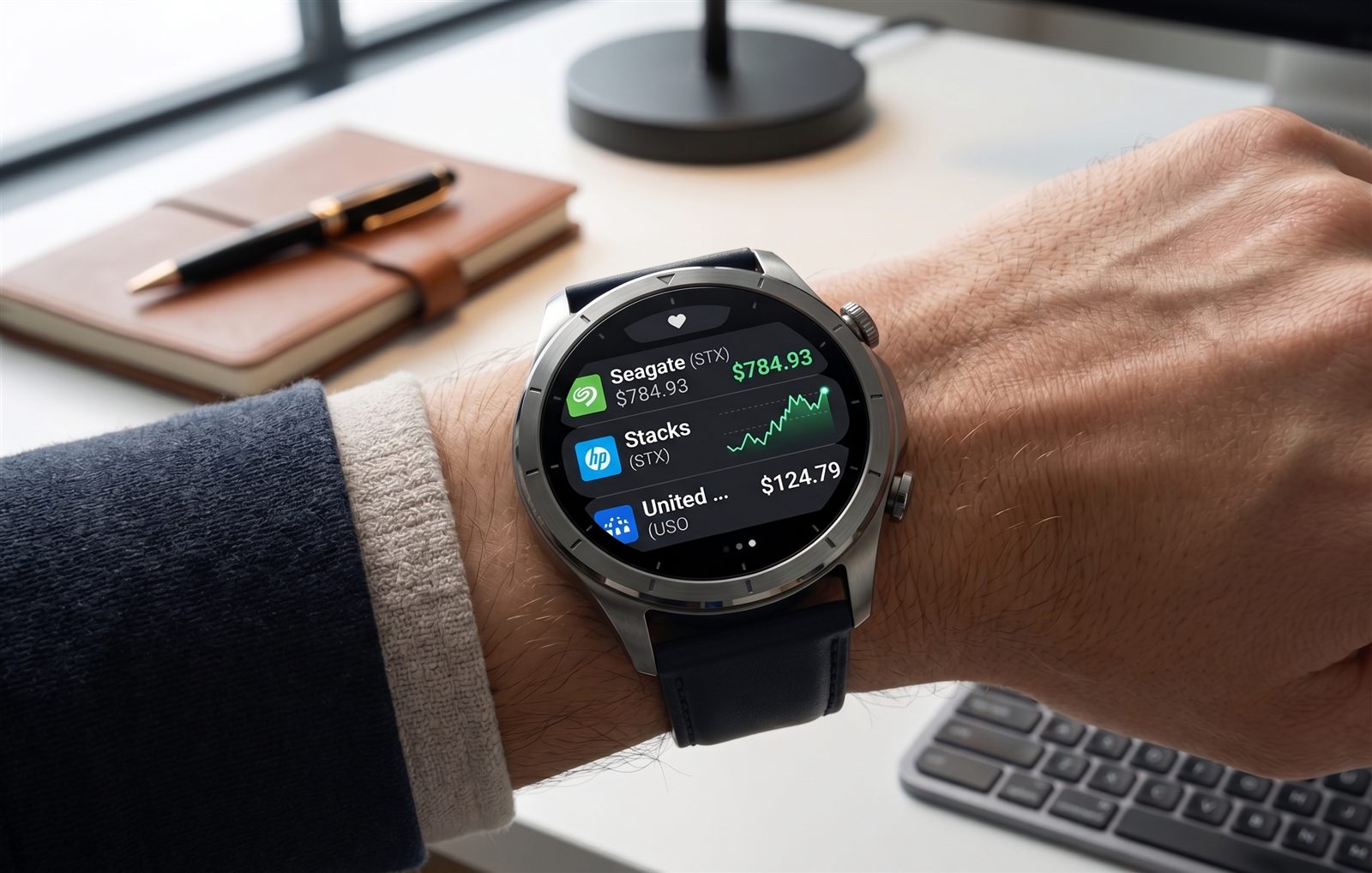
FurlPay on Your Wrist: Introducing the Wear OS App
Your portfolio, live market charts, one-tap Buy and Sell, card controls, USDC receive codes, flight booking and a voice assistant — on a watch. Here is a detailed walkthrough of every screen in the FurlPay Wear OS companion, how it stays secure without your phone, and why it is open source.
July 18, 2026 · 10 min read
The Stablecoin Rail Question: UPI vs Solana vs Polygon — and Where Furlpay Settles
Every serious payments platform now has to pick a settlement layer. We compared UPI, Solana and Polygon on the metrics that actually matter for moving a stablecoin dollar across borders — cost, finality, liquidity and AI-agent readiness. The honest answer is not one rail, it is stablecoins on the right rail for each job.
July 7, 2026 · 11 min read