USDC on Arbitrum: The Complete Guide for Businesses (2026)
By Furlpay Team · July 6, 2026 · 7 min read

USDC is a dollar-pegged stablecoin issued by Circle. Arbitrum One is an Ethereum Layer 2. Put them together and you get the single most practical rail for stablecoin payments in 2026: digital dollars that move in about a second for a fraction of a cent, with Ethereum-grade security underneath. This guide explains what that means for a business and how to accept it.
What is USDC on Arbitrum?
USDC on Arbitrum is the same dollar-pegged token you know, issued natively on the Arbitrum One network (Chain ID 42161) rather than on Ethereum mainnet. Arbitrum batches many transactions and posts proofs back to Ethereum, so it inherits Ethereum's security while spreading the mainnet cost across everyone. The result is a transfer that finalises in roughly a second and costs a tiny fraction of a cent in gas.
| USDC on Ethereum | USDC on Arbitrum | |
|---|---|---|
| Typical gas per transfer | $1 – $5+ | ~$0.002 – $0.005 |
| Settlement time | ~12 seconds+ | ~1 second |
| Security model | Ethereum L1 | Ethereum L1 (via L2 proofs) |
Why the network matters more than the coin
A stablecoin is only as cheap to accept as the chain it settles on. The same USDC that costs several dollars to move on Ethereum mainnet costs a fraction of a cent on Arbitrum. That difference is the whole game for payments: it is what allows a 0.5% flat fee and even per-request micropayments, which would be impossible if every transfer cost a dollar in gas. You can compare chains yourself with our gas cost estimator.
Who is already building here
Arbitrum is not a fringe choice. Mastercard brought 24/7 stablecoin settlement to Arbitrum, Robinhood built its own chain on Arbitrum Orbit, and Circle supports native USDC on Arbitrum directly. For a business, that ecosystem maturity means liquidity, tooling, and institutional comfort — not an experiment.
How to accept USDC on Arbitrum
- Create a payment via the Furlpay API or a hosted checkout link.
- The customer authorises the transfer from a passkey wallet (an EIP-712 signature) — no seed phrase.
- Both sides are screened against sanctions lists, then USDC settles on Arbitrum in about a second.
- You receive a signed receipt linked to Arbiscan for reconciliation.
The whole flow costs a flat 0.5% plus sub-cent gas, with no chargebacks. See how it works on the payments product page, or read the honest cost breakdown in Crypto vs Card Fees.
USDC gives you dollar stability. Arbitrum gives you speed and near-zero fees. Neither is enough alone — together they are the first stablecoin rail that actually competes with cards on cost.
This article is informational and not financial advice. Stablecoins carry issuer and peg risk and can lose value.

Founder & CEO, FurlPay · Software Engineer at Skyhigh Security · NeurIPS 2026 author · Google DeepMind contributor · ex-Quantiphi
Ashutosh is a Software Engineer at Skyhigh Security (previously Quantiphi), working across ML systems and cloud infrastructure. He is a contributor to Google DeepMind and a NeurIPS 2026 author. He is building Furlpay: stablecoin payments, travel booking, and investing in one client — settled on Arbitrum. Pay in USDC, book 2.2M+ stays and flights, and let AI agents pay per-request via x402. Phishing-resistant. Compliance-aware. Zero gas.
Don't miss the next one
Stay ahead of the curve
Get product updates, engineering deep-dives, and security bulletins. No spam — just the signal.
More in Product News
FurlPay Wallet Names Are Live: Claim the Handle Your AI Agents Will Pay With
Reserve yourname.furlpay.com — one human-readable identity for you and every agent you run. Here is why payment handles suddenly matter in 2026, how the x402 standard turned HTTP into a payment rail, exactly how reservation and consent work under the hood, and the security decisions behind binding a name to an account.
August 10, 2026 · 12 min read
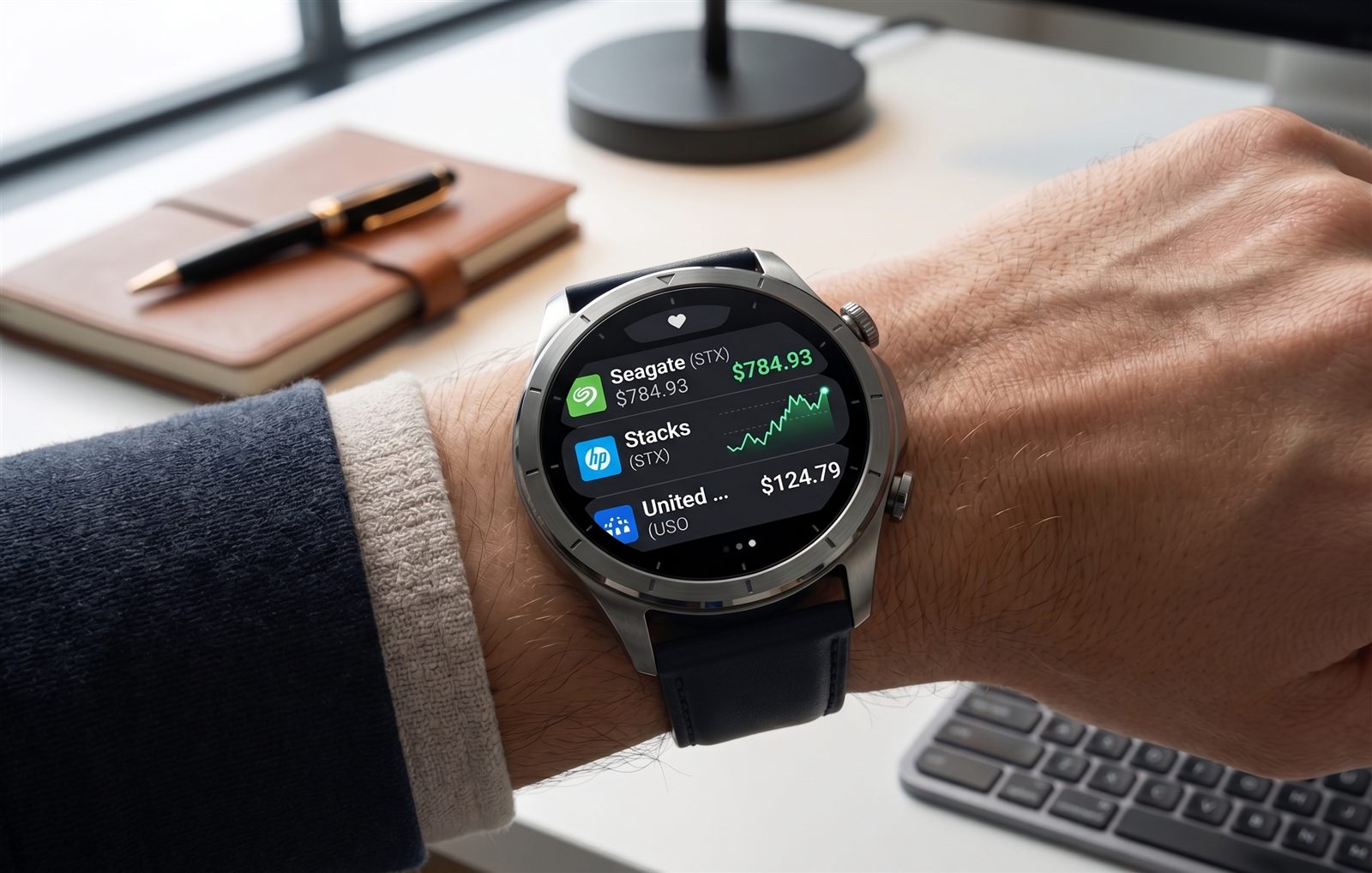
FurlPay on Your Wrist: Introducing the Wear OS App
Your portfolio, live market charts, one-tap Buy and Sell, card controls, USDC receive codes, flight booking and a voice assistant — on a watch. Here is a detailed walkthrough of every screen in the FurlPay Wear OS companion, how it stays secure without your phone, and why it is open source.
July 18, 2026 · 10 min read
The Stablecoin Rail Question: UPI vs Solana vs Polygon — and Where Furlpay Settles
Every serious payments platform now has to pick a settlement layer. We compared UPI, Solana and Polygon on the metrics that actually matter for moving a stablecoin dollar across borders — cost, finality, liquidity and AI-agent readiness. The honest answer is not one rail, it is stablecoins on the right rail for each job.
July 7, 2026 · 11 min read